
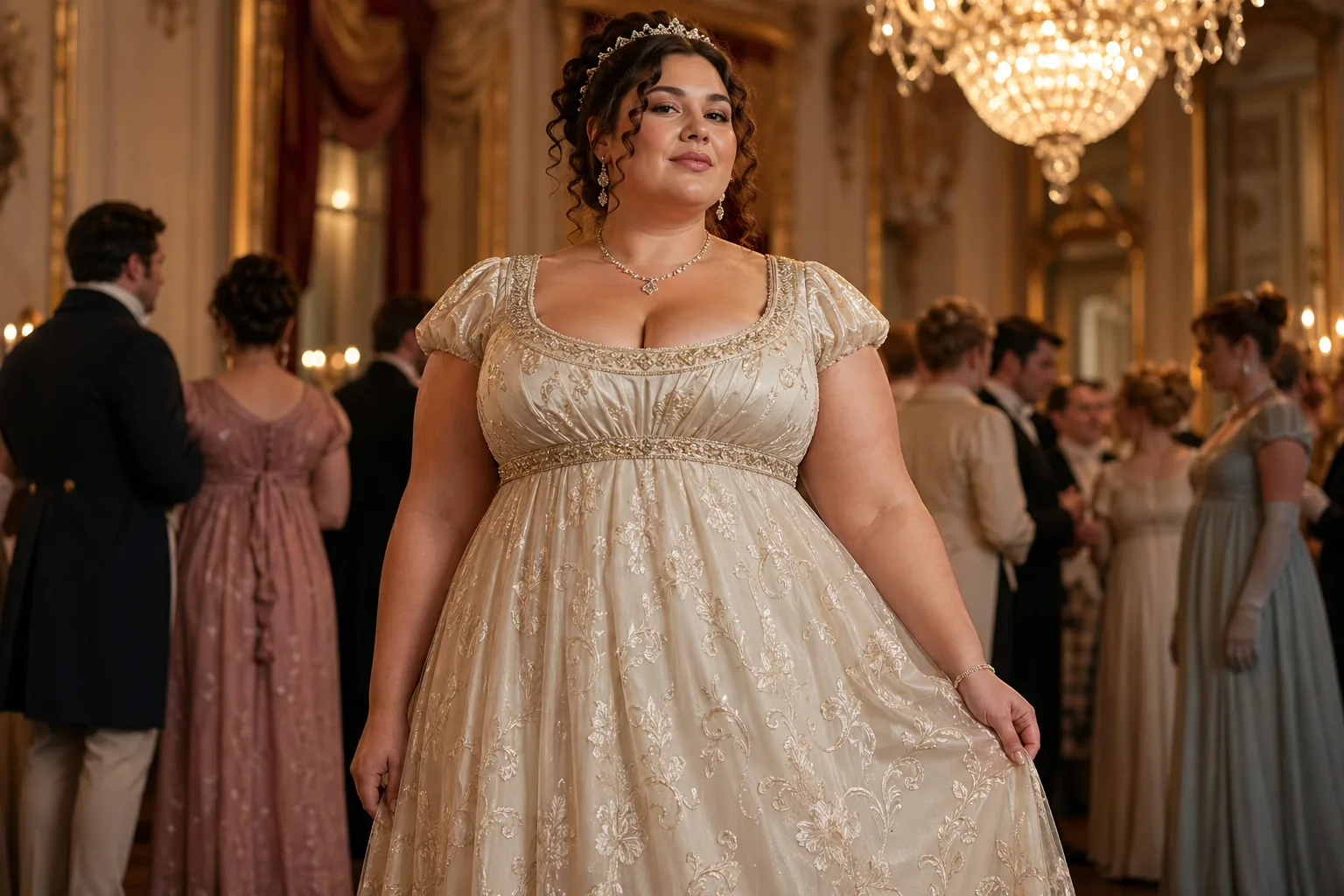
Plus size fit
Plus Size Regency Dress
By Bridgerton Dress Editorial
Best Sellers
Curve-friendly empire gowns.
Fuller Bridgerton silhouettes with roomy sleeves and under-bust seams worth checking before you buy.
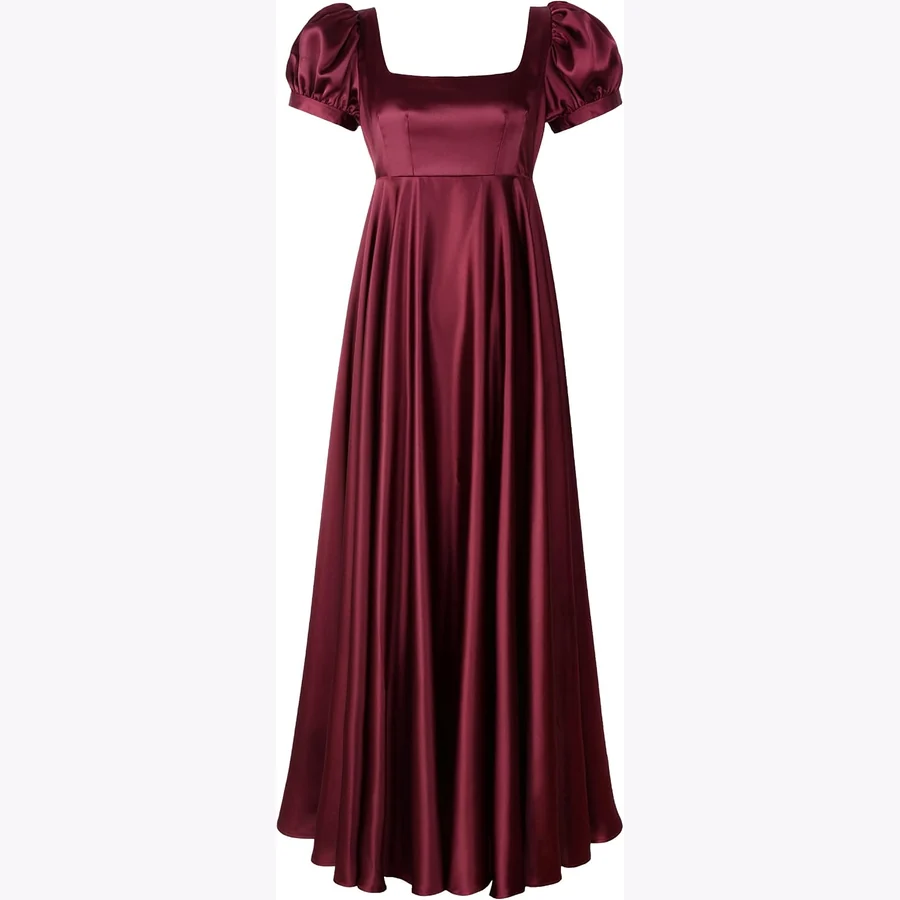
Plus Empire Gown
Plus-friendly Bridgerton empire ball gown with roomy sleeves and under-bust seam.
Check Price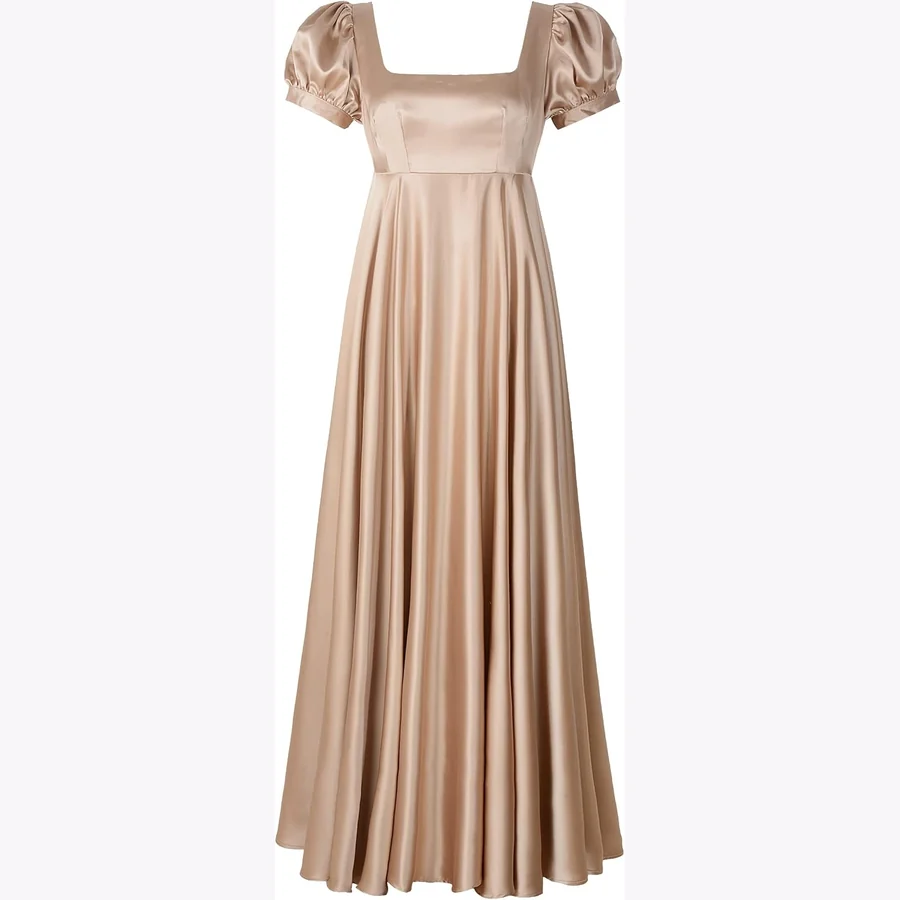
Plus Blue Ball Gown
Blue empire ball gown sized for curve-friendly Bridgerton silhouettes.
Check Price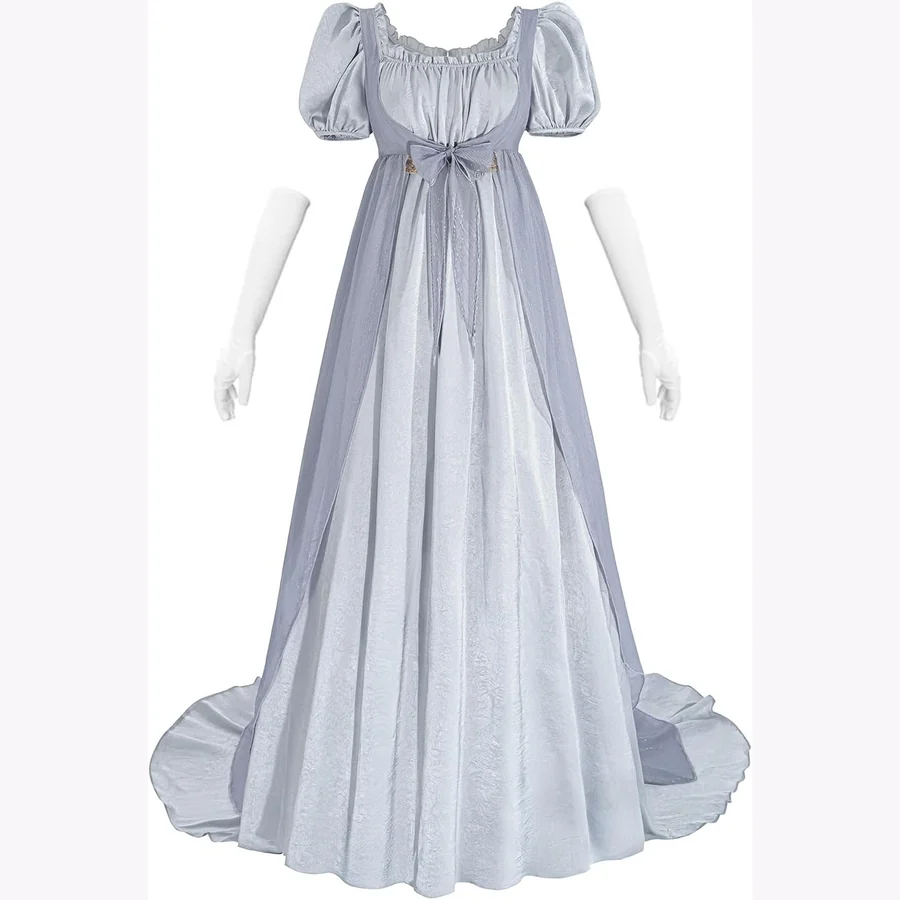
Overdress Ball Gown
Layered empire ball gown with overdress detail for fuller Bridgerton drama.
Check Price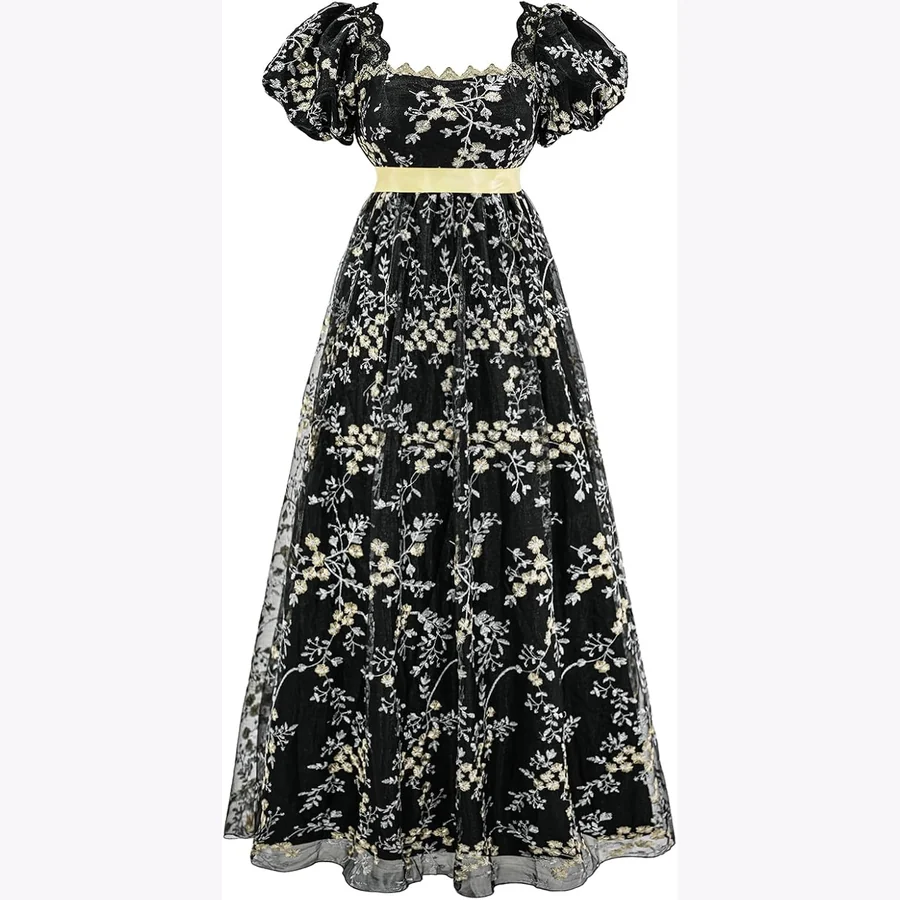
Embroidery Empire Dress
Elegant embroidered empire waist dress for polished evening Regency styling.
Check PriceAn empire waist lengthens the torso on paper, but the real work happens where the bodice turns into skirt: if the pattern only scales width and forgets length, the seam can sit too high, pool across the midriff when you sit, or drag the bust line out of alignment. The most flattering plus-size Regency looks start with honest measurements and pattern pieces that respect curvature—not a single “extended” block that widens the tube and calls it inclusive.
Treat the empire seam like engineering, not decoration. Note the distance from shoulder point to bust apex, from apex to underbust, and the circumference where you want the waistband to anchor. If puff sleeves are part of the romance, measure the relaxed bicep and the circumference at the sleeve head; cheap drafting often skimps on cap height, then the puff bites when you raise a glass or reach for a railing.
Boning, sleeves and inner layers
Boning splits into plastic strips and spiral steel. Spiral tolerates twisting; plastic can work if channels are wide and edges are smoothed. Red lines after a long fitting usually mean a bone is sitting wrong or the casing is too narrow—fix that before you blame your shape. For dance floors and marquees, ask whether bones can be repositioned or softened; a good workroom will say yes more often than a rushed rail dress will.
Sleeves need recovery as well as circumference. Puff crowns that rely on polyester alone can go limp after steam; a little elastic in a bias tunnel, stitched so it can be replaced, survives washing better than zig-zagging elastic through the SA twice. Matte jewel tones—wine, teal, cinnamon—read expensive on camera because they bounce less harsh light than high-gloss satin under phone flash.
Linings matter in heat. Power mesh lifts until the temperature spikes; a breathable cotton-viscose slip clipped at the side seams stops migration without visible strapping. If straps dig, check whether the neckline is balanced for your shoulder slope; a narrow adjustment there often fixes pain that people blame on “having a bigger bust.”
Skirt volume, sourcing and accessibility
Volume and trains sit in our ball-gown movement guide—measure stair width and hem sweep before you commit to a full skirt, because width without planning is what trips people on granite steps.
High-street scouting notes on Primark rotations still help when graded curves appear unexpectedly; hanger labels lie more often than a flat tape measure. For colour behaviour in blush and oyster, pair this page with the pink tonal essay and white-on-white notes so veil and shoe choices stay coherent indoors and out.
Adaptive detail belongs in the first fitting email. Magnetic closures, extended hook bars, or linings that open for medical kit are easier to engineer at the cutting stage than as panic fixes the week before. Many small UK workrooms welcome a clear bullet list—“need seated ease,” “avoid pressure on mastectomy scar,” “one-handed fastening”—more than vague mood-board language.
Wedding logistics overlap with our timeline primer when the same outfit crosses a signing room and a marquee. Readers who share candids in reader reviews helped us tighten advice on slips, zip guards, and boning hotspots—browse there if you want field notes beyond theory.
Proportion, lingerie and colour on camera
Petite-plus combinations need length charts as much as circumference: an empire worn too high can shorten the leg line. Ask whether the pattern allows nudging the waist channel down safely before attacking the hem in a blunt straight line.
Lingerie redraws silhouette faster than hopping two dress sizes—test the balconette, plunge, or soft-cup bra you will actually wear before the bodice is pinned. Cups tacked inside breathable channels can lift without rigid underwire telegraphing through thin satin.
Colour can be practical. A dusted pastel with grey in the mix survives overhead spots better than paper white; deeper tones calm mid-section rumples in candid photos without implying that anyone “must” conceal anything—only that fashion photography is ruthless under cheap LEDs.
If a dress marks itself “plus” in the skirt but not the bodice, ask whether shoulder width graded or merely widened at the sides. Narrow shoulders plus a voluminous skirt reads costume; a proportion tweak at the neckline often lands closer to intentional design.
Benches, linings and the full-day movement test
Rustic benches and pew corners eat tulle—rehearse gathering fabric into a polite handful before you sit. Patterned linings sometimes check through oyster satin; commissioning or altering? Request a solid dye lot when you mean to be photographed in bright vestibules.
Bring shoes and shapewear to every fitting, then twist, reach, and hug. A gown that only works while you stand at the mirror rarely survives a British wedding’s emotional range. Tailoring exists to close that gap; vague sizing euphemisms do not.
Contribute your fit notes
We learn from reader letters with measurements and honest fit photos—send “plus fit” in the subject line to hello@bridgertondress.co.uk if a listing or label misled you; it sharpens the next version of this checklist.
Explore more topics
Browse the homepage or the full topics grid.